East Tennessee Home Inspection Guide: What Every Buyer and Seller Should Know

A home inspection is one of the most important milestones in any real estate transaction, and here in East Tennessee and the Smoky Mountains it comes with a few local twists you won’t see everywhere else. Between mountain terrain, older cabin construction, wells and septic systems, and regional radon levels, an East Tennessee home inspection can reveal things a city home never would.
Whether you’re a buyer searching around Knoxville, Sevier County, or the Smokies, or a seller preparing your property for the market, understanding what happens during a home inspection helps you stay calm, informed, and in control. Here’s a clear home inspection checklist for buyers and sellers in our area.
What Is a Home Inspection and Why Does It Matter?

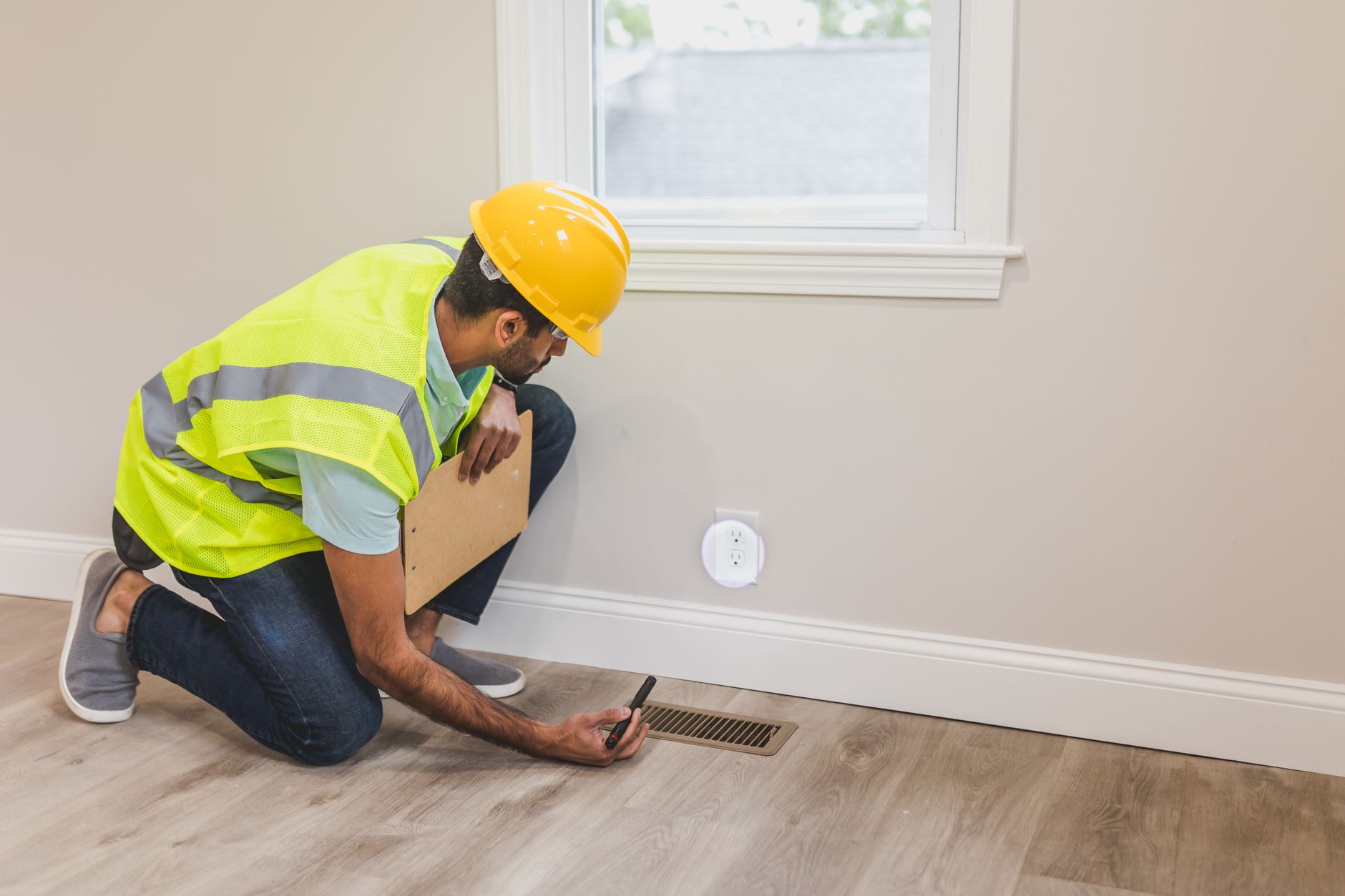
A home inspection is a thorough, top-to-bottom visual assessment of a property’s condition, performed by a licensed home inspector. Think of it as a professional second set of eyes; someone whose entire job is to look past the fresh paint and staged furniture and tell you what’s really going on with the house.
Here’s the most important point: a home inspection is not a pass/fail test. The inspector isn’t “grading” the house or deciding whether the sale can move forward; they’re documenting what they observe, including what’s in good shape, what’s showing wear, and what may need attention now or later.
The inspection report is a decision-making tool, not a verdict. What you do with that information is entirely up to you, your agent, and the other party.
What Does a Home Inspector Look For?

A standard East Tennessee home inspection covers the home’s major systems and structural components. While the exact scope can vary slightly by inspector, you can expect them to evaluate this core home inspection checklist:
- Roof — Shingles, flashing, gutters, and signs of leaks. In the mountains, heavy rain and snow loads make roof condition especially important.
- Foundation and Structure — Cracks, settling, and movement, which matter a great deal on the sloped lots common across East Tennessee and the Smoky Mountains.
- HVAC — Heating and cooling systems, ductwork, and overall age and function.
- Plumbing — Pipes, water pressure, water heater, and drainage, plus well systems on rural properties.
- Electrical — The panel, wiring, outlets, and safety concerns, which come up often in older cabins and homes.
- Crawlspace — Moisture, vapor barriers, and ventilation, a frequent trouble spot in our humid climate.
- Attic — Insulation, ventilation, and signs of moisture or pests.
- Windows and Doors — Seals, operation, and weatherproofing.
In our neck of the woods, inspectors pay particular attention to crawlspaces and foundations. The combination of mountain moisture, steep grading, and older log or timber construction means these areas tell you a lot about how a home has held up and how it’s likely to perform for years to come.
What Should Buyers Do Before the Home Inspection?

As a buyer, the home inspection is your window into the property before you’re fully committed, so use that time wisely. Once your offer is accepted, you’ll typically have a set inspection period to schedule and complete your East Tennessee home inspection; your agent should help you line up a reputable, licensed inspector and get it on the calendar quickly because that clock matters.
Whenever possible, be present for the inspection, or at least for the walkthrough at the end. Most inspectors generally prefer if clients arrive around 90 to 120 minutes after the scheduled inspection time to give them time to properly inspect the home without distractions.
Walking the property with the inspector is genuinely valuable. You’ll see issues in person rather than reading about them later, and you can ask questions in real time. Bring a list of anything you noticed during showings, and don’t be shy about asking how serious a finding really is, whether it’s urgent, and roughly what it might cost to address. A good inspector will happily talk you through it all.
What Should Buyers Expect After the Home Inspection?

A day or two after the inspection, you’ll receive a detailed report, often dozens of pages long, full of photos and notes. It can feel overwhelming at first, but don’t panic. Almost every report, even for a well-maintained Knoxville or Sevier County home, lists a long string of items; the goal isn’t a perfect house, it’s understanding which findings actually matter to you.
Your agent will help you sort the report into two buckets: dealbreakers and minor issues. Dealbreakers are the big-ticket, safety, or structural concerns, such as a failing foundation, a roof at the end of its life, major electrical hazards, or an unexpected septic failure. Minor issues are the loose railings, dated fixtures, and small cosmetic items that come with owning any home.
From there, you generally have a few paths in responding to the home inspection.
- Request that the seller make specific repairs before closing.
- Ask for a repair credit at closing, which lets you handle the work yourself with your own contractors.
- Negotiate a price reduction to reflect the condition as-is.
Each approach has trade-offs, and your agent should advise you on what makes the most sense for your situation. If the findings are serious enough and the seller won’t budge, you may have the right to walk away during your inspection period. That’s exactly why the home inspection contingency exists: to protect you as the buyer.
How Should Sellers Prepare Before the Home Inspection?

If you’re selling, the home inspection is your chance to control the narrative, but only if you prepare. One option worth considering is a pre-listing inspection, where you have the home inspected before it ever hits the market; this lets you address issues on your own terms, price the home accurately, and avoid last-minute surprises that can derail a deal, which can be especially helpful for Smoky Mountains cabins and vacation rentals.
Even without a pre-listing inspection, it pays to handle the obvious minor repairs upfront: the dripping faucet, the burned-out bulbs, the sticky door. Small fixes build buyer confidence and keep little items off the report. Remember, too, that Tennessee law requires sellers to complete a residential property disclosure, sharing any and all known material defects with buyers. Being honest and thorough here isn’t just legally smart; it protects you from headaches later.
Finally, make the inspector’s job easy. Clear access to the crawlspace, attic, electrical panel, water heater, and HVAC units. Move stored boxes, unlock gates, and confine pets. An inspector who can reach everything writes a cleaner, more accurate report and doesn’t have to flag areas as “inaccessible,” which only makes buyers more nervous.
What Should Sellers Do After the Buyer’s Home Inspection?

Once the buyer’s home inspection is complete, you may receive a repair request, which is a list of items the buyer would like addressed before moving forward. Take a breath before you react. A repair request is the opening of a negotiation, not an ultimatum; you’re rarely obligated to do everything on the list, and a level-headed response keeps the deal moving.
Just like buyers, sellers have options when responding to a home inspection:
- Make the requested repairs (or negotiate the ones you’re willing to make).
- Offer a credit at closing so the buyer handles the work after closing.
- Agree to a price reduction.
Often the cleanest solution is a credit; it avoids the hassle of coordinating contractors on a deadline and gives the buyer control over how the work gets done. We’ll help you weigh what’s reasonable, what’s worth conceding, and where to hold firm.
Above all, the goal is keeping the deal together. Most transactions survive the home inspection just fine; it simply takes a little give-and-take. A fair, prompt response signals good faith and keeps a motivated buyer from getting cold feet. We’ve guided countless sellers through this exact moment, and we’ll make sure you respond from a position of strength.
What Special Home Inspection Issues Matter in East Tennessee and the Smoky Mountains?

Buying or selling in East Tennessee, Knoxville, or Sevier County comes with a unique set of home inspection considerations you won’t run into in a typical suburban neighborhood. These are the ones we watch for most closely during a Smoky Mountains home inspection:
- Radon — East Tennessee has elevated radon levels, and testing is strongly recommended. It’s inexpensive, and mitigation systems are straightforward to install if levels come back high.
- Well and Septic — Many mountain and rural properties rely on private wells and septic systems. These deserve their own dedicated inspections beyond the general report.
- Wood-destroying Insects (WDI) and Termites — Our warm, humid climate is prime territory for termites and other pests, so a WDI inspection is common and often required by lenders.
- Steep Slopes and Retaining Walls — Mountain lots mean grading, drainage, and retaining walls that need to be sound. Failing retaining walls can be costly to repair.
- Liquid Propane (LP) gas — Many properties out here use propane rather than natural gas, so tanks, lines, and appliances should be checked.
- Vacation Rental Properties — If you’re buying an income-producing cabin, extra scrutiny of hot tubs, decks, and high-traffic systems is well worth it.
None of this should scare you off; mountain living is worth it. But knowing what to test for and building the right inspections into your timeline is exactly how you avoid unpleasant surprises down the road.
How Does Your Realtor® Help With the Home Inspection Process?

This is where having the right local agent in your corner makes all the difference. The home inspection process moves fast, involves real money, and can get emotional, and we’re here to keep it on the rails. Here’s how we help our East Tennessee and Smoky Mountains clients through a home inspection for buyers and sellers:
- Scheduling: We connect you with trusted local inspectors and coordinate timing so you never miss a contingency deadline.
- Attending: We’re there for the inspection to observe firsthand and advocate for you throughout.
- Interpreting Reports: We help you separate the serious issues from the routine noise, so you focus on what truly matters.
- Negotiating: Whether you’re requesting repairs or responding to a request, we craft a strategy that protects your interests.
- Keeping the Deal on Track: Most of all, we keep communication open and the transaction moving toward a smooth closing.
We do this every day, all across East Tennessee, and we genuinely enjoy guiding people through it. When you work with our team, you’re never left guessing what a report means or how to respond to the other side.
Ready to Schedule a Home Inspection and Move Forward?

A home inspection doesn’t have to be stressful, not when you’ve got a knowledgeable local team walking beside you every step of the way. Whether you’re ready to find your dream cabin in the Smokies, buy in Knoxville or Sevier County, or prepare to sell a property you love, we’d be honored to help. Reach out for a free, no-pressure consultation, and let’s talk about your home inspection plans and your long-term goals.


Leave a Reply